



Local Bottled Water Brands and Production Demand in Yemen
Yemen already has an established bottled water industry represented by several locally recognized brands. These companies demonstrate that demand extends across different bottle sizes, distribution channels and consumer groups—from portable drinking water for everyday use to larger formats intended for families, offices, restaurants and retail stores.
For investors planning a new bottled water factory in Yemen, understanding the existing market is an important first step. Established producers show that successful projects require more than a basic filling machine. Water safety, reliable treatment, hygienic filling, consistent bottle quality, efficient packaging and dependable equipment operation all influence the long-term competitiveness of a bottled water brand.
Shamlan Water
Shamlan Water is operated by Arwa Mineral Water Company, one of Yemen’s pioneering bottled water producers. Established in 1978, the company produces natural bottled water sourced from the Shamlan area near Sana’a.
Official Website
Haddah Water
Haddah Water is produced by Al-Nahdain Mineral Water Company. The company emphasizes technical supervision, production safety, regular equipment maintenance and consistent bottled water quality.
View Official Products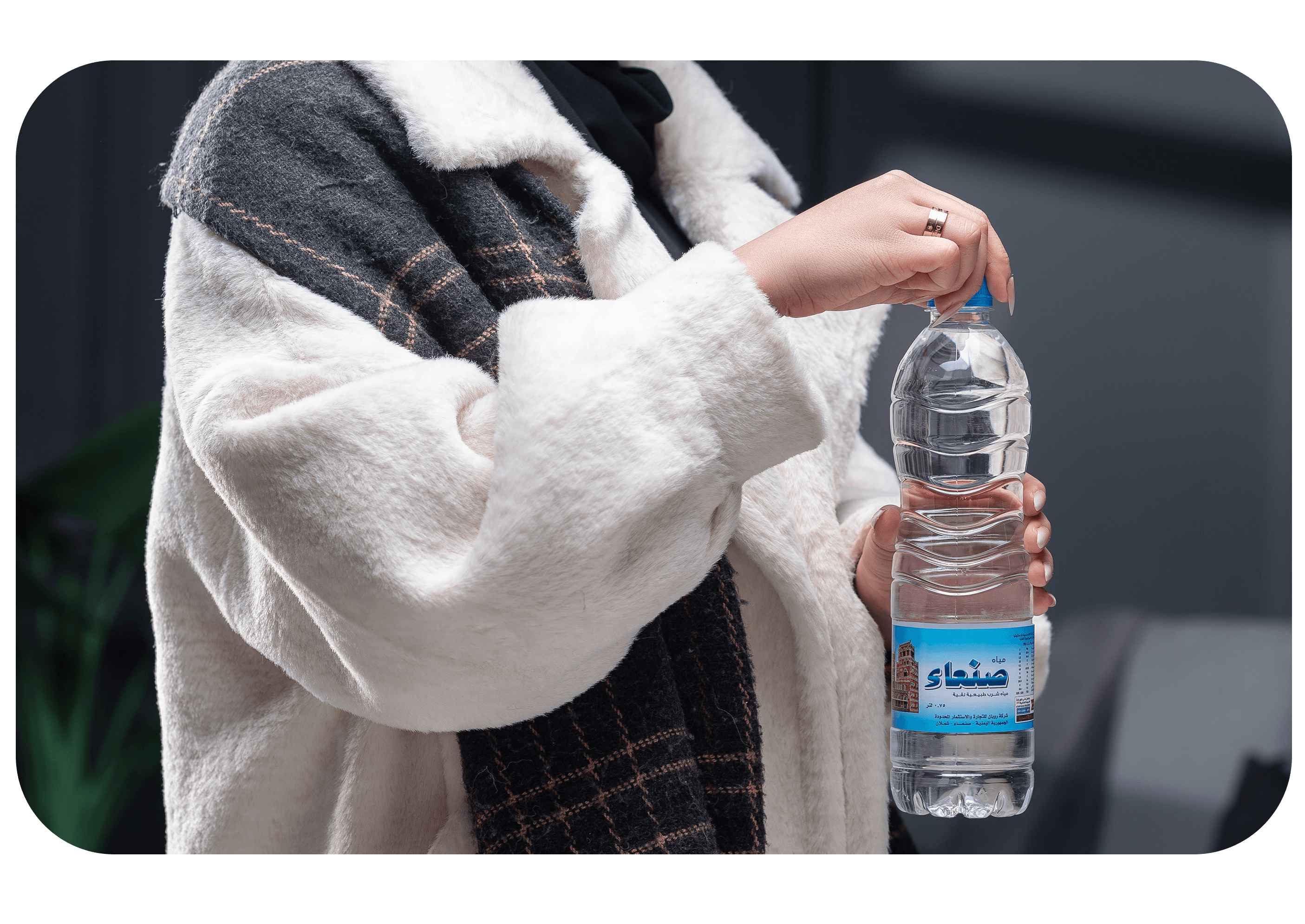
Sana’a Water
Established in 2009, Sana’a Water Factory supplies bottled mineral water to the local market. The company reports that it was the first water factory in Yemen to obtain ISO certification.
Official Brand PageYUBCO Mineral Water
Yemen United Beverages Company produces different mineral water formats for individual and family consumption.
Al Barakah Water
Medium and family-size bottled water formats suitable for households, offices, restaurants and retail distribution.
Official Product PageSeham Water
A portable bottled water format designed for individual consumption, convenience retail, food service and travel.
Official Product PageWhat Yemen’s Bottled Water Brands Reveal About the Local Market
The presence of established bottled water brands confirms that Yemen has a functioning local market with different packaging, quality and distribution requirements. For a new factory, these market characteristics directly affect production-line capacity, bottle design, water-treatment configuration and total project investment.
Multiple Bottle Sizes Serve Different Consumer Groups
The Yemeni market includes compact bottles for individual consumption and larger bottles for households, offices and food-service businesses. A flexible PET bottling line should therefore be designed around the investor’s main bottle format while allowing practical changeovers for additional sizes.
Water Treatment Is Central to Product Quality
Filling speed alone does not determine the quality of bottled water. The raw water source must first be analyzed so that filtration, reverse osmosis, sterilization, ozone treatment and storage systems can be configured correctly. Water-treatment design is one of the most important factors affecting both product safety and equipment price.
Stable Production Supports Wider Distribution
A bottled water brand that supplies supermarkets, wholesalers, restaurants and regional distributors requires consistent daily output. Reliable rinsing, filling, capping, labeling and packaging reduce rejected bottles, production interruptions and delivery delays.
Local Operating Conditions Must Be Considered
Bottling equipment for Yemen should be planned around the factory’s actual electricity supply, ambient temperature, water source, building conditions and access to technical support. Voltage protection, generator compatibility, cooling capacity and a practical spare-parts package may be essential for maintaining stable production.
Investors Need a Complete Line Rather Than One Machine
A commercial PET bottled water project normally requires water treatment, PET bottle blowing, air conveying, rinsing, filling, capping, labeling, coding, inspection and final packaging. Evaluating only the filling machine price can significantly underestimate the real cost of starting a bottled water factory.
Common PET Bottle Formats for a Yemen Water Project
Portable retail bottles for shops, restaurants, transport and daily individual consumption.
A versatile medium-size format for hospitality, catering and personal consumption.
Suitable for retail channels, offices and consumers seeking a practical larger package.
Family-size bottled water for households, offices and high-volume retail distribution.
The real investment depends on the complete PET bottled water production system—not only the filling machine.
Once the target bottle sizes and required production capacity are confirmed, the next step is to determine which equipment should be included in the project. A complete line may combine water treatment, PET bottle blowing, rinsing, filling, capping, labeling, packaging, conveying and auxiliary systems. These specifications form the basis for calculating an accurate Suncrown PET bottle water filling machine price for Yemen.
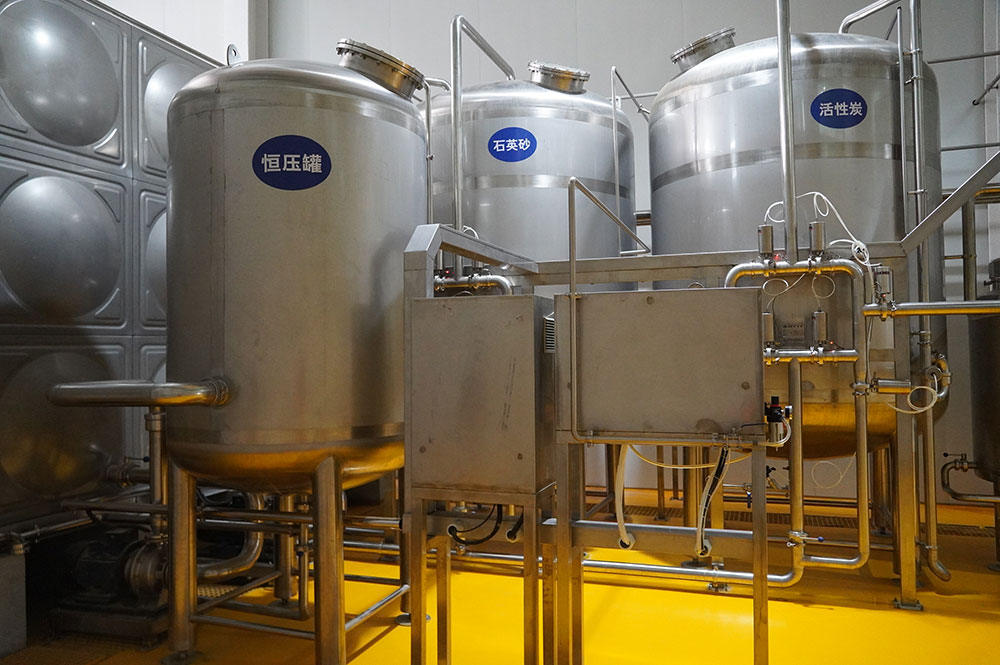
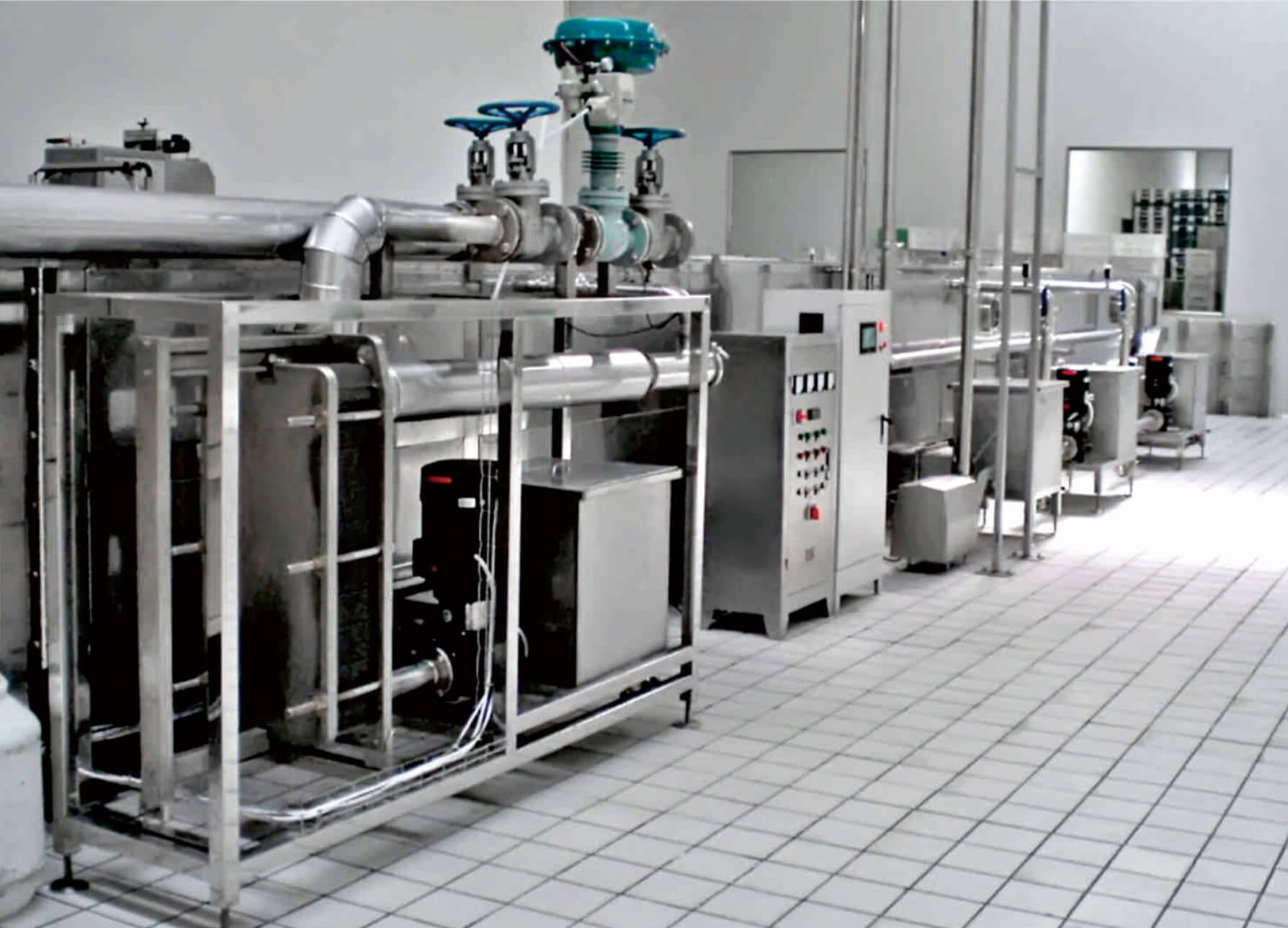
Water Treatment System (RO + UV + Filters)
Advanced purification system including RO, UV sterilization and filtration units before bottled water production.
Learn More →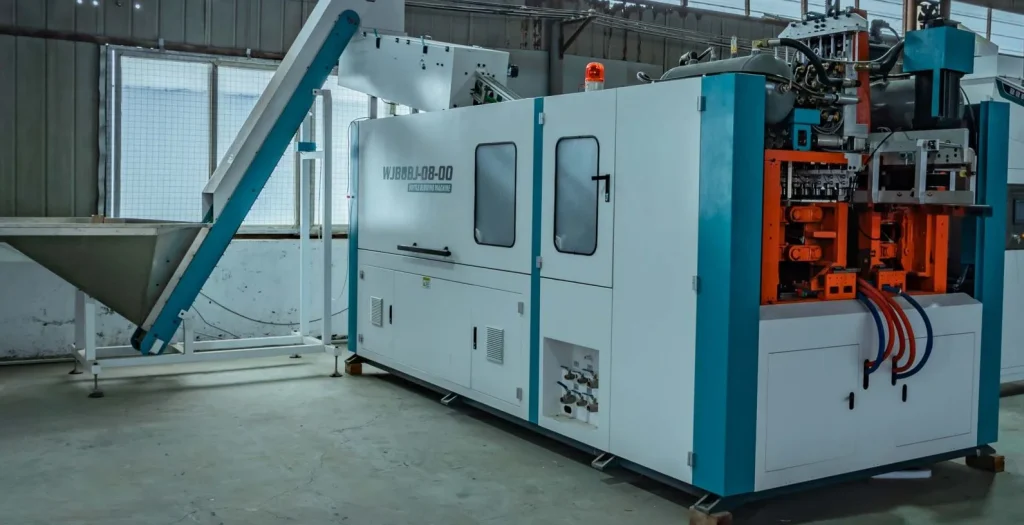
PET Bottle Blowing Machine
Automatic PET bottle forming equipment producing bottles from PET preforms.
Learn More →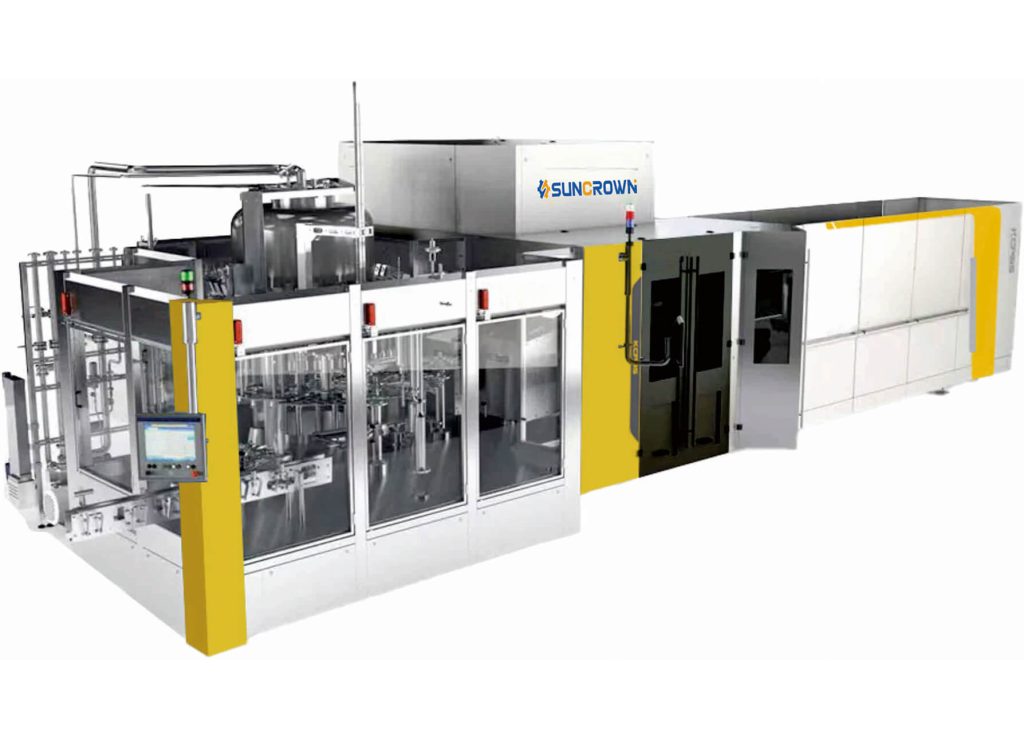
3 in 1 Water Filling Machine
Integrated rinsing, filling and capping machine for efficient PET bottled water production.
Learn More →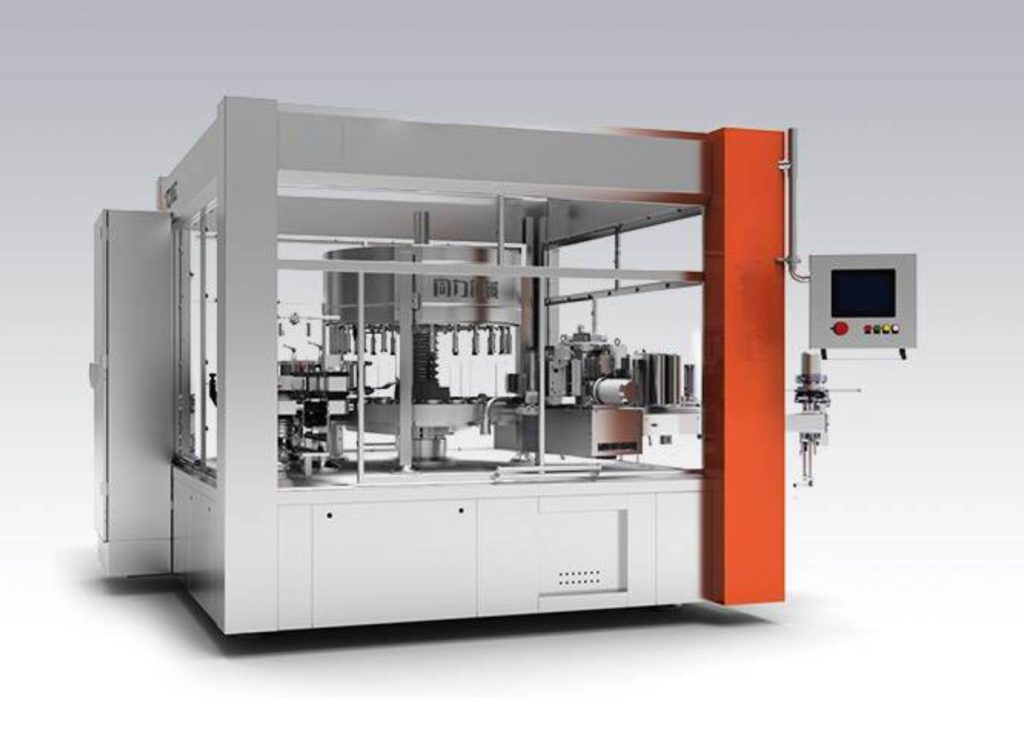
Automatic Labeling Machine
High-speed labeling system for different bottle sizes and packaging requirements.
Learn More →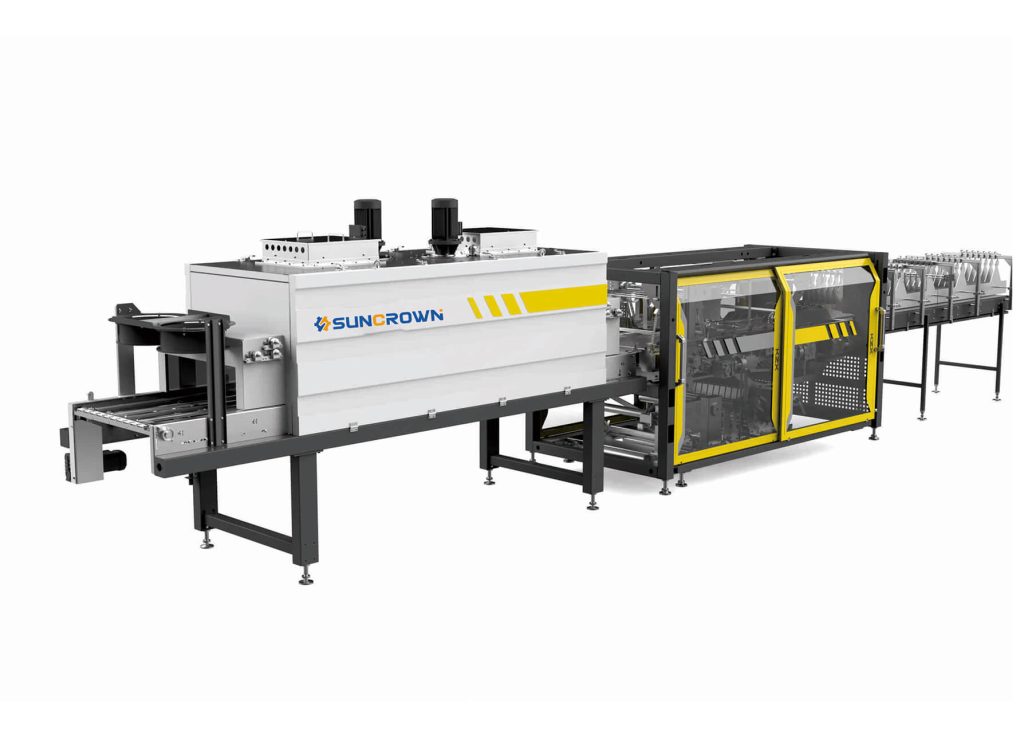
Shrink Wrapping Machine
Automatic shrink packaging solution for finished bottled water products.
Learn More →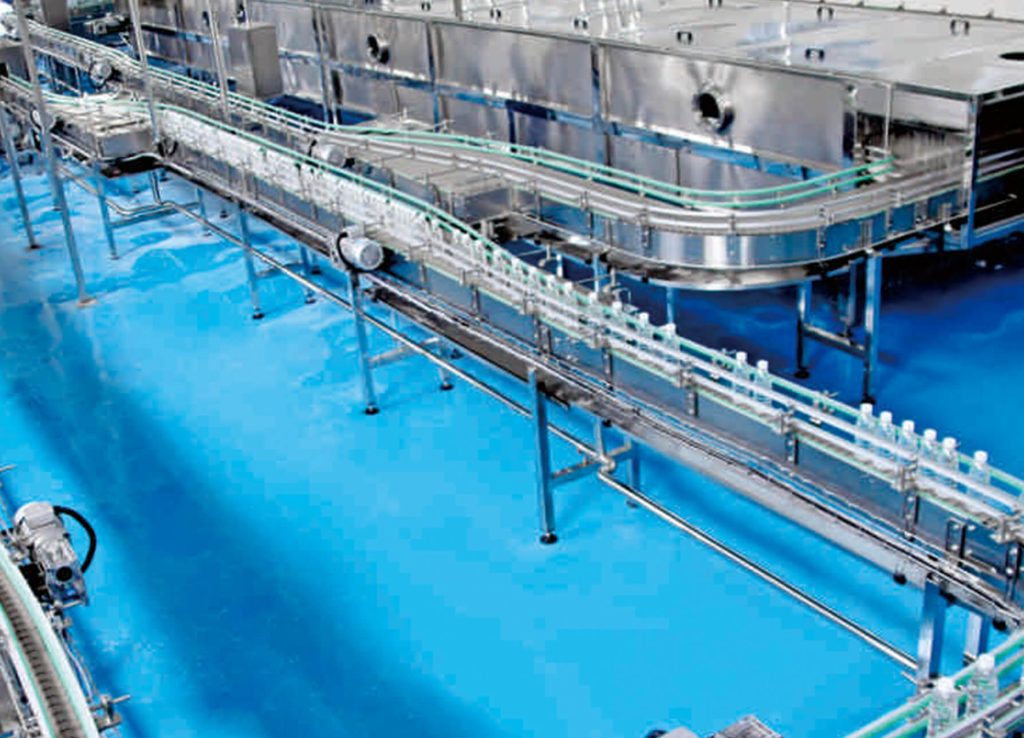
Conveyor Systems
Bottle transportation system connecting all production stages together.
Learn More →What Equipment Is Required for a PET Bottled Water Plant in Yemen?
A commercial bottled water project normally requires a complete production system rather than one standalone filling machine. The final configuration should be based on the raw water quality, target bottle sizes, required output, packaging method, factory layout and local operating conditions in Yemen.
Water Treatment
Filtration, reverse osmosis, sterilization and purified water storage.
PET Bottle Blowing
PET preforms are heated and formed into finished water bottles.
Filling & Capping
Bottles are rinsed, filled and capped in a hygienic monoblock.
Labeling
Sleeve, OPP or self-adhesive labels are applied to each bottle.
Final Packaging
Finished bottles are grouped, wrapped and prepared for distribution.
Raw Water Treatment System
The treatment system may include quartz sand filtration, activated carbon filtration, precision filters, reverse osmosis, UV sterilization, ozone treatment and purified water tanks. The final design must be based on an analysis of the customer’s actual water source.
PET Bottle Blowing Machine
The bottle blowing system converts PET preforms into finished bottles. It can be configured for common formats such as 330ml, 500ml, 750ml, 1L, 1.5L and 2L. Bottle weight, neck finish and production speed directly affect the required machine configuration.
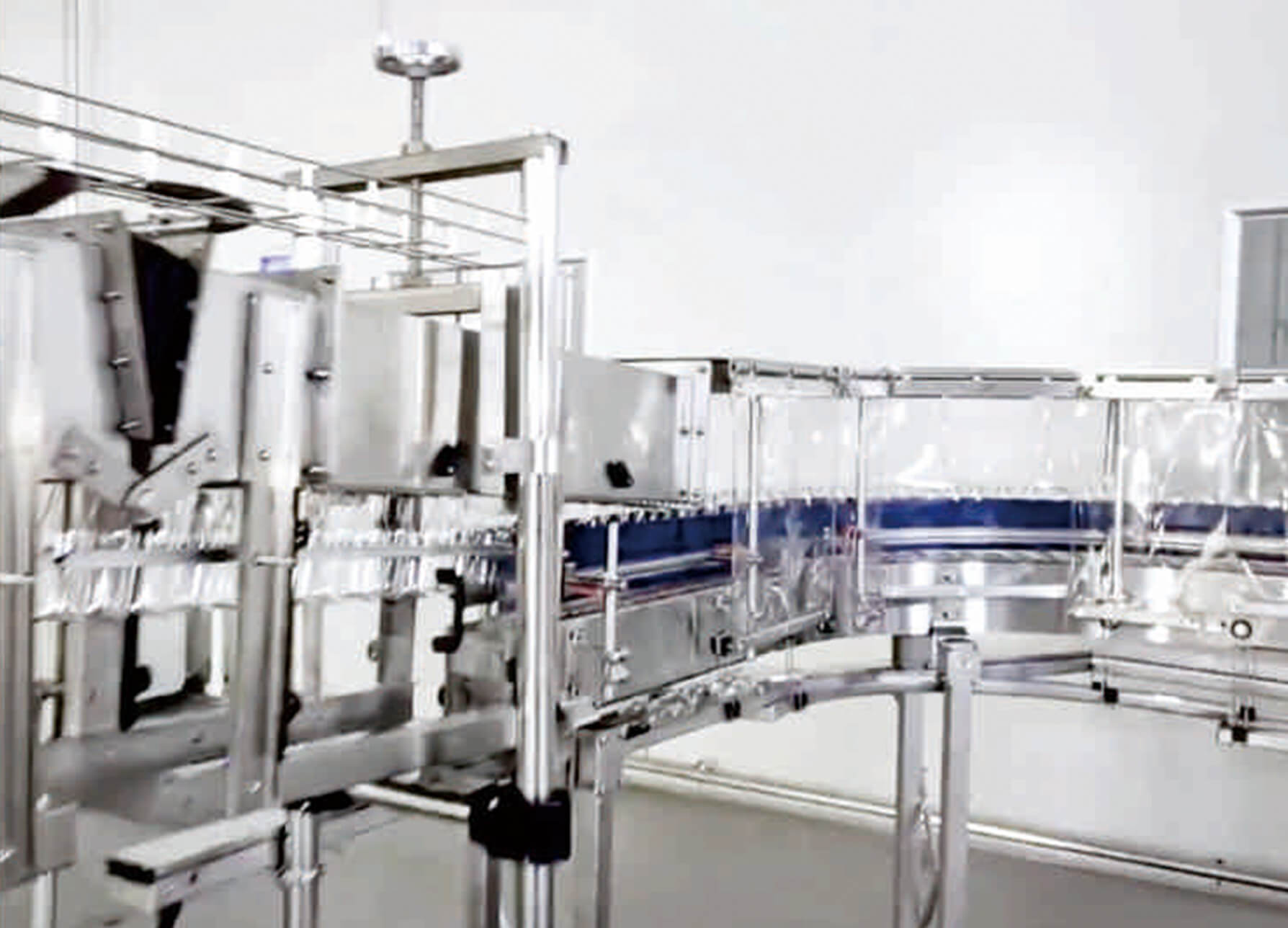
Air Conveyor System
Empty bottles are transferred from the blowing machine to the filling area through an enclosed air conveyor. Correct conveyor design helps maintain stable bottle movement and reduces unnecessary manual handling.
3-in-1 Water Filling Machine
The rinsing, filling and capping processes are integrated into one hygienic monoblock. Filling-machine capacity should be calculated according to the main bottle size, because larger bottles generally operate at a lower BPH than smaller bottles.
Automatic Labeling Machine
Depending on the required packaging design, the line can use sleeve labeling, hot-melt OPP labeling or self-adhesive labeling. Label material, bottle shape and production speed should be confirmed before selecting the system.
Shrink Wrapping & Packaging System
Finished bottles can be packed in shrink film, tray and film, or cartons. An automatic packaging system reduces manual labor and helps prepare stable bottle packs for storage and long-distance distribution.
Inspection & Coding Equipment
Production dates, batch information and traceability codes can be printed automatically. Optional inspection devices may be added to monitor fill levels, caps, labels and packaging quality.
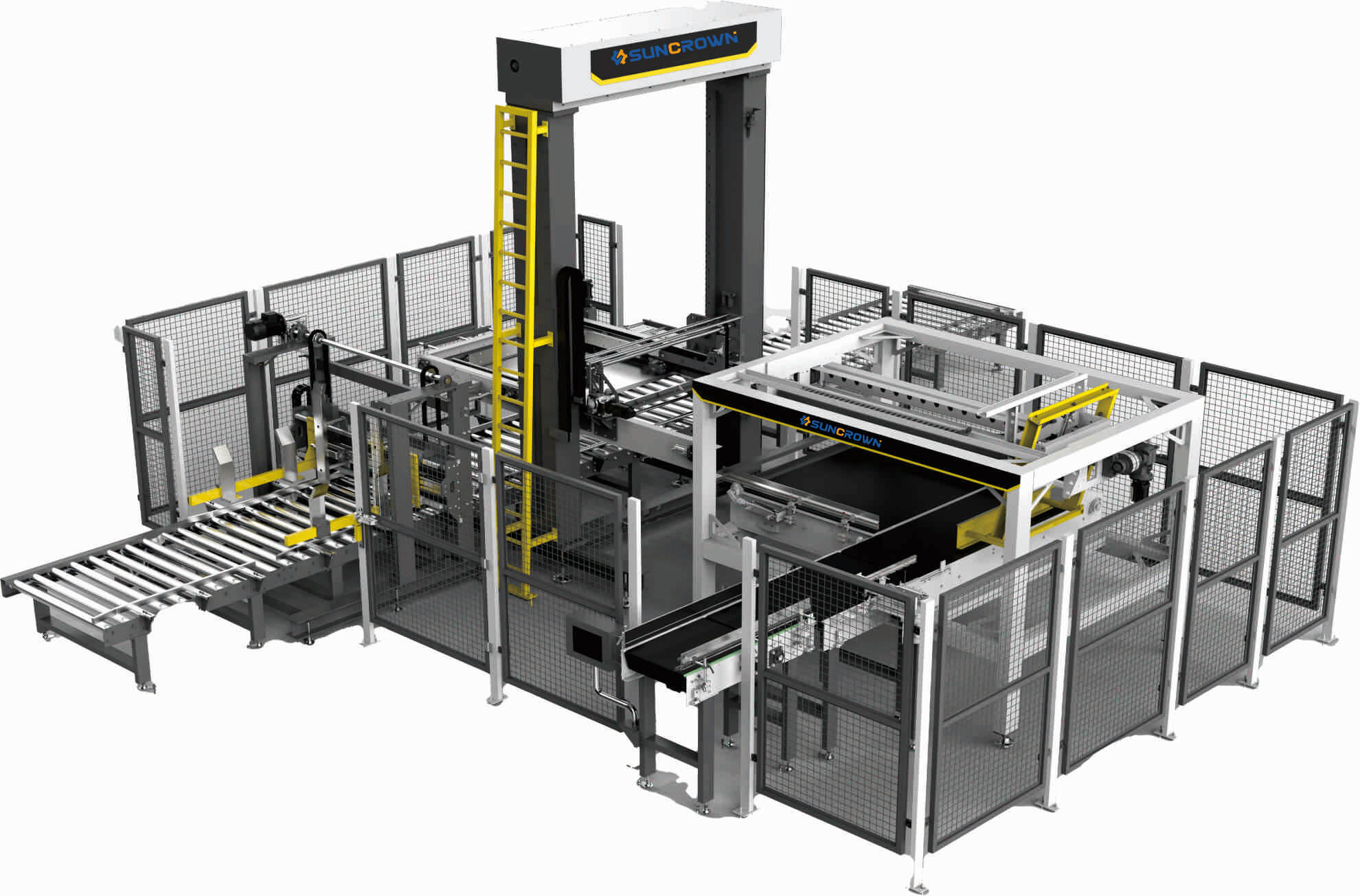
Conveying & Palletizing System
Motorized conveyors connect the filling, labeling and packaging equipment. Medium- and high-capacity factories may also add robotic palletizing to improve end-of-line efficiency and reduce manual handling.
Supporting Equipment for Stable Operation in Yemen
Auxiliary systems are frequently excluded from basic machine quotations, but they can significantly affect whether the complete line operates reliably under actual factory conditions.
High- and low-pressure air compressor systems for bottle blowing and pneumatic equipment.
Industrial chiller and cooling-water systems designed around ambient temperature and production load.
Voltage stabilizer and electrical protection for locations with fluctuating power supply.
Generator-compatible electrical planning to support continuity during power interruptions.
CIP cleaning system for hygienic maintenance of product contact parts and pipelines.
Stainless-steel raw water, treated water and finished water storage tanks.
Initial spare-parts package covering common wear parts and critical production components.
Remote technical support, installation guidance and operator maintenance training.
Linear Water Bottling Line or Blow-Fill-Cap Combiblock?
The appropriate production structure depends on the target capacity, investment level, available factory space, automation requirements and long-term expansion plan.
Linear PET Bottled Water Line
In a linear line, bottle blowing, filling, labeling and packaging are completed by separate machines connected through conveyor systems.
- Generally suitable for 4,000–16,000 BPH
- Selected 24,000 BPH projects are also possible
- Lower initial investment than a combiblock
- Flexible factory layout and equipment arrangement
- Easier access for maintenance and future upgrades
- Suitable for small and medium-size water factories
Blow-Fill-Cap Combiblock Line
A combiblock integrates bottle blowing, filling and capping into one coordinated high-speed production system, reducing bottle transfer stages.
- Generally recommended from 18,000 BPH and above
- Compact high-output production arrangement
- Fewer empty-bottle conveying stages
- Higher automation and production efficiency
- Suitable for large regional distribution networks
- Requires a higher initial investment
PET Bottle Water Filling Machine Prices in Yemen
The price of a PET water filling project in Yemen depends on much more than the rated production speed. Bottle size, water-treatment requirements, line structure, labeling method, packaging format, electrical configuration and the scope of auxiliary equipment all influence the final investment.
How Much Does a Complete Water Bottling Line Cost?
Based on typical Suncrown project configurations, a complete PET bottled water line may start from approximately USD 198,000 for a 6,000 BPH linear line designed mainly for 500ml bottles. A high-speed 36,000 BPH blow-fill-cap combiblock project may require an investment of approximately USD 2.4–2.5 million, depending on the final equipment scope.
– 2.5 Million Estimated equipment investment before confirming the final technical configuration.
| Capacity | Main Bottle Format | Recommended Configuration | Reference Price |
|---|---|---|---|
| 6,000 BPH | 500ml PET bottle | Complete linear water bottling line | From USD 198,000 |
| 6,000 BPH | 1.5L PET bottle | Heavy-bottle linear production line | Around USD 320,000 |
| 12,000 BPH | Based on main bottle size | Automatic linear bottling line | USD 300,000–350,000 |
| 16,000 BPH | Based on main bottle size | High-output linear production line | Around USD 500,000 |
| 24,000 BPH | 500ml reference format | High-speed linear bottling line | Around USD 900,000 |
| 24,000 BPH | 500ml reference format | Blow-fill-cap combiblock line | USD 1.3–1.5 Million |
| 36,000 BPH | 500ml reference format | High-speed combiblock turnkey line | USD 2.4–2.5 Million |
500ml Linear Water Bottling Line
Entry-level complete line with separate bottle blowing, filling, labeling and packaging systems.
1.5L Heavy-Bottle Linear Line
Configured for larger bottles requiring different blowing, conveying, filling and packaging capacity.
Automatic Linear Bottling Line
Suitable for developing water brands and medium-scale regional production.
High-Output Linear Production Line
Higher automation for established bottled water factories and broader distribution.
High-Speed Linear Bottling Line
Separate high-capacity blowing and filling equipment connected by automated conveyors.
Blow-Fill-Cap Combiblock Line
Integrated high-speed configuration for greater automation and more compact production.
High-Speed Combiblock Turnkey Line
Designed for large-scale water production and extensive regional distribution.
What Affects the Final Water Bottling Line Price?
Production Capacity
Higher BPH output requires larger filling machines, faster conveyors and higher-capacity supporting systems.
Bottle Size & Weight
A line designed for 500ml bottles differs from one intended mainly for 1.5L or 2L formats.
Raw Water Quality
Water analysis determines the required filtration, reverse-osmosis capacity and sterilization system.
Line Structure
Linear lines offer a lower entry cost, while combiblock systems require a higher investment.
Packaging Method
Sleeve labels, OPP labels, cartons, trays and shrink film require different equipment configurations.
Installation Scope
Shipping, on-site installation, commissioning, training and spare parts influence the total project cost.
A final quotation should be based on the customer’s actual production requirements—not only a standard catalog price.
To prepare an accurate PET bottled water line proposal for Yemen, Suncrown needs the target production capacity, main bottle sizes, bottle design, raw water analysis, labeling method, final packaging format, factory layout, electrical standard and required installation scope.
Why the Lowest Water Filling Machine Price May Not Be the Lowest Project Cost
For a bottled water factory in Yemen, the initial equipment quotation represents only one part of the total investment. Water quality, electricity supply, ambient temperature, technical support, spare-parts availability and production stability can have a greater long-term impact than a small difference in the original machine price.
of Ownership
Evaluate the complete cost of producing every bottle throughout the service life of the line.
A lower purchase price may appear attractive during initial comparison. However, unstable operation, excessive energy consumption, poor filling accuracy, limited spare-parts support and frequent production interruptions can make a cheaper machine more expensive over time.
Raw Water Quality and Treatment Design
Groundwater, municipal water and other local water sources may have different levels of minerals, salinity, hardness and microbiological contamination. Selecting a standard RO unit without testing the actual water can result in insufficient purification or unnecessary operating costs.
Electricity Supply and Voltage Stability
Bottle blowing machines, air compressors, chillers and filling equipment require a stable electrical supply. Voltage fluctuations or sudden power interruptions may damage electrical components, stop production or create inconsistent bottle quality.
High Ambient Temperature
Hot factory conditions can increase the load on air compressors, chillers, electrical cabinets and bottle blowing systems. If cooling capacity is insufficient, equipment efficiency and bottle-forming consistency may decline during continuous production.
Spare Parts and Maintenance Access
Waiting for an inexpensive but critical wear part can stop an entire production line. The true cost of downtime may include lost output, delayed customer deliveries, idle workers and reduced distributor confidence.
Shipping and Factory Delivery
Equipment price and delivered project cost are not the same. Sea freight, port handling, customs procedures, inland transportation, unloading and equipment storage should be evaluated before the final investment decision.
Installation and Operator Training
Even advanced equipment cannot achieve its designed output without correct installation, commissioning and operation. Poor machine adjustment may increase water loss, cap defects, bottle deformation and packaging rejects.
Initial Machine Price vs. Long-Term Production Value
The following comparison shows why project configuration and service capability should be evaluated together with the purchase price.
Compare the total delivered project, expected production efficiency and after-sales support—not only the filling machine price.
A reliable PET water bottling line should deliver stable production, consistent filling quality, manageable energy consumption and practical maintenance throughout its service life. These factors determine the real return on investment for a bottled water factory in Yemen.
Suncrown PET Bottled Water Production Solutions for Yemen
Suncrown provides complete PET bottled water production solutions covering water treatment, bottle blowing, rinsing, filling, capping, labeling, packaging, conveying and auxiliary equipment. Each project can be configured according to the customer’s bottle formats, production target, water source, factory conditions and investment plan.
Entry-level linear lines for new and developing water factories.
Automated linear lines for medium-scale regional distribution.
High-output linear or combiblock configurations.
High-speed combiblock solutions for large commercial water plants.
From Initial Requirements to Commercial Production
A successful turnkey project requires coordinated planning before equipment manufacturing begins. Suncrown develops the line around the customer’s actual production and factory requirements.
Project Requirement Analysis
Confirm production capacity, bottle sizes, water source, label type, packaging format, available utilities and future expansion plans.
Technical Configuration
Select the appropriate water treatment, bottle blowing, filling, labeling, packaging and auxiliary equipment for the required output.
Factory Layout Design
Arrange the production flow according to the customer’s building dimensions, entrances, utilities, warehouse and finished-product areas.
Equipment Manufacturing
Manufacture the equipment according to the approved technical configuration and agreed electrical and component standards.
Testing and Delivery
Inspect and test the main production equipment before shipment, then prepare the machinery for container loading and transportation.
Installation and Training
Provide installation planning, commissioning support and practical operation and maintenance training according to the agreed project scope.
Available Scope of Supply
The final project scope can be adjusted according to the customer’s existing equipment, budget and automation requirements.
Water Treatment System
Filtration, RO, sterilization and water storage.
PET Bottle Blowing
Preform handling, blowing, compressors and cooling.
3-in-1 Filling Monoblock
Automatic rinsing, filling and capping.
Labeling Equipment
Sleeve, OPP or self-adhesive label systems.
Packaging System
Shrink film, tray and film, or carton packaging.
Conveying System
Air conveyors and motorized bottle conveyors.
Inspection Equipment
Fill-level, cap, label and packaging inspection.
Robotic Palletizing
Automated end-of-line handling for higher capacity.
Technical Services
Layout, documentation, commissioning and training.
What Information Should a Yemen Buyer Provide?
A standard catalog price cannot accurately represent every water bottling project. Providing the following information allows Suncrown to recommend the correct configuration and calculate a more realistic investment proposal.
- Required production capacity in BPH
- Main PET bottle sizes and bottle drawings
- Available raw water analysis report
- Preferred labeling method
- Required final packaging format
- Factory layout or building dimensions
- Local voltage and electrical frequency
- Destination port and delivery location
- Required installation and training scope
Request a customized PET water bottling line configuration and investment proposal from Suncrown.
Send us your target capacity, bottle sizes, raw water information and factory conditions. Our engineering team can develop a complete solution covering equipment selection, factory layout, utility requirements, delivery, installation planning and operator training.
Frequently Asked Questions
PET Bottle Water Filling Machine Prices and Bottling Lines in Yemen
Learn more about equipment prices, production capacities, water treatment, bottle formats, utilities, installation and complete PET bottled water plant planning for Yemen.
How much does a PET bottle water filling machine cost in Yemen?
The price depends on whether the quotation covers only the filling machine or a complete PET bottled water production line. A basic 3-in-1 rinsing, filling and capping machine costs less than a turnkey project that also includes water treatment, bottle blowing, labeling, packaging, conveyors, compressors, chillers and other auxiliary equipment.
Based on typical Suncrown configurations, a complete 6,000 BPH linear line for 500ml bottles may start from approximately USD 198,000. High-speed combiblock projects can require an investment of more than USD 1 million.
What equipment is included in a complete bottled water production line?
A complete PET bottled water production line may include:
- Raw water treatment and reverse-osmosis system
- PET preform and bottle blowing machine
- High- and low-pressure air compressor system
- Air conveyor and bottle conveyor systems
- 3-in-1 rinsing, filling and capping machine
- Sleeve, OPP or self-adhesive labeling machine
- Date coding and bottle inspection equipment
- Shrink wrapping or carton packaging system
- Chiller, tanks, CIP and auxiliary equipment
- Optional robotic palletizing system
Which production capacity is suitable for a new water factory in Yemen?
A new or developing bottled water factory may consider a linear production line between 4,000 and 8,000 BPH. An established company supplying supermarkets, wholesalers and regional distributors may require 10,000–16,000 BPH or more.
High-speed combiblock lines are generally more suitable for large-scale projects requiring approximately 18,000 BPH and above. The correct capacity should be determined by expected sales rather than selecting the largest machine available.
Can one water bottling line produce 500ml and 1.5L bottles?
Yes. A modern PET water filling line can be configured to handle several bottle sizes, such as 330ml, 500ml, 750ml, 1L, 1.5L and 2L. Change parts and machine adjustments may be required when switching between bottle formats.
Production speed is normally calculated according to a specific reference bottle. A line rated at a certain speed for 500ml bottles will generally operate at a lower BPH when producing 1.5L bottles.
Is water analysis required before selecting the treatment system?
Yes. A raw water analysis is strongly recommended before the treatment system is finalized. The report helps determine the required filtration stages, reverse-osmosis capacity, membrane configuration, sterilization method and chemical dosing requirements.
Without an accurate water analysis, the selected system may provide insufficient treatment or create unnecessary energy, membrane and maintenance costs.
Can the production line operate with a generator?
Generator-compatible electrical planning is possible, but the generator must be sized according to the total connected and starting loads of the blowing machine, compressors, chiller, filling equipment, conveyors, packaging system and water treatment equipment.
Voltage stability and electrical protection should also be considered to protect motors, PLCs, frequency converters and other electrical components.
Should a Yemen project choose a linear line or a combiblock?
A linear line is usually more suitable for small and medium-capacity projects because it offers a lower initial investment, flexible factory layout and easier access for maintenance.
A blow-fill-cap combiblock is generally selected for higher-capacity factories that require greater automation, fewer empty-bottle transfer stages and a more compact production arrangement.
Does Suncrown provide installation and operator training?
Installation planning, commissioning support and operator training can be included according to the agreed project scope. Training can cover equipment operation, production changeovers, routine inspection, cleaning, maintenance and basic troubleshooting.
How long does it take to manufacture a complete water bottling line?
The manufacturing period depends on production capacity, automation level and equipment scope. A complete project generally requires approximately three to four months for engineering, manufacturing, assembly and testing after the technical configuration and commercial terms have been confirmed.
Shipping, customs clearance, factory preparation, installation and commissioning time should be added separately when planning the commercial production date.
How can I receive an accurate water bottling line quotation for Yemen?
To receive a more accurate quotation, prepare the target production capacity, main bottle sizes, bottle drawings, raw water analysis, labeling method, packaging format, factory dimensions, electrical standard, destination port and required installation scope.
You can send this information through the Suncrown contact page so that our engineering team can recommend the appropriate production-line configuration.
Request a Customized PET Water Bottling Line Proposal for Yemen
Tell us your target capacity, bottle sizes, raw water conditions and preferred packaging format. Suncrown can prepare a complete equipment configuration, factory layout plan and preliminary investment proposal for your project.